
AI Discoverability
•05 min read

AI crawlers are reshaping how websites manage content access and discovery. While traditional robots.txt files controlled search engine bots, the emergence of large language models and AI-powered systems requires new approaches. LLMs.txt represents the next evolution in crawler management, offering granular control over how AI systems interact with your content. Understanding why LLMs.txt matters for managing AI crawler access has become essential for maintaining visibility while protecting intellectual property in an AI-driven search landscape.
LLMs.txt is a standardized file format that controls how AI crawlers and large language models access website content. Unlike robots.txt, which primarily manages traditional search engine bots, LLMs.txt specifically addresses AI systems that train on web data or generate responses using scraped content.
The file serves as a communication layer between websites and AI systems. It specifies which content can be crawled, how it can be used, and under what licensing terms. This granular control becomes crucial as AI-powered search features like Google's AI Overviews and ChatGPT's web browsing capabilities reshape content discovery.
Major publishers and ecommerce brands are implementing LLMs.txt files to maintain control over their content. News organizations use it to protect copyrighted articles while still enabling beneficial AI citations. Ecommerce sites leverage it to ensure product information appears in AI-generated shopping recommendations while preventing unauthorized data scraping.
Traditional robots.txt files use simple allow/disallow directives. LLMs.txt extends this functionality with licensing specifications, usage permissions, and content categorization. This enhanced control helps websites balance AI discoverability with content protection.
LLMs.txt operates through structured directives that AI systems read before crawling content. The file communicates specific permissions, restrictions, and usage guidelines that compliant AI crawlers must follow. This creates a standardized protocol for managing AI access across different platforms and models.
The control mechanism works through several key components. Permission levels specify which AI systems can access content and for what purposes. Content categorization allows different rules for product pages, blog posts, and sensitive information. Usage restrictions define how crawled content can be utilized in AI responses or training data.
AI crawlers check for LLMs.txt files before accessing website content. The file must be placed in the root directory and follow specific syntax requirements. Proper implementation ensures consistent crawler behavior across different AI platforms.
LLMs.txt works alongside robots.txt without conflicts. Websites can maintain traditional search engine optimization while adding AI-specific controls. This dual approach provides comprehensive crawler management across all discovery channels.
Properly configured LLMs.txt files enhance both traditional SEO performance and AI discoverability. Search engines recognize websites that implement responsible AI crawler management, potentially improving rankings and trust signals. AI systems are more likely to cite and reference content from sites with clear usage guidelines.
The impact extends to AI-powered search features where controlled access leads to better content representation. Websites with LLMs.txt files often see improved visibility in AI Overviews and LLM-generated responses because they provide clear usage permissions that AI systems can follow confidently.
AI systems prefer citing content from sources with explicit permissions. LLMs.txt files signal that content is available for appropriate use, increasing the likelihood of citations in AI-generated responses. This drives referral traffic and builds domain authority.
-0318e243-91df-49f7-835b-d75cba6b48f4.png&w=3840&q=75)
Strategic restrictions in LLMs.txt files protect sensitive content while maintaining discoverability for public information. This balanced approach prevents unauthorized scraping while enabling beneficial AI interactions that drive traffic and conversions.
Building an effective LLMs.txt file requires understanding your content strategy and AI interaction goals. Start by categorizing content types and determining appropriate access levels for each category. Product information might allow broad AI access for shopping recommendations, while proprietary research might require stricter controls.
File structure follows specific syntax requirements that ensure proper parsing by AI crawlers. Begin with general directives, then add specific rules for different content types or AI systems. Include licensing information and usage guidelines to provide complete guidance for compliant crawlers.
User-agent specifications: Define which AI systems the rules apply to, using wildcards for broad coverage or specific identifiers for targeted control.
Allow and disallow directives: Specify permitted and restricted content areas using URL patterns and directory structures.
Licensing declarations: Include usage rights and attribution requirements for different content categories.
Overly restrictive rules can limit beneficial AI interactions that drive traffic and visibility. Conversely, insufficient restrictions may expose sensitive content to unauthorized use. Test configurations thoroughly before deployment to ensure balanced access control.
Ecommerce websites require nuanced LLMs.txt configurations that balance product discoverability with competitive protection. Allow AI access to product descriptions and specifications while restricting pricing algorithms and inventory data. This approach enables AI-powered shopping recommendations without exposing sensitive business intelligence.
Content publishers need strategies that protect copyrighted material while enabling beneficial citations. Configure rules that allow AI systems to reference articles with proper attribution while preventing full-text reproduction. This maintains content value while building authority through AI citations.
Large organizations with multiple domains require coordinated LLMs.txt strategies. Maintain consistent policies across properties while allowing domain-specific customizations. This unified approach simplifies management while addressing unique requirements for different business units.
Websites with frequently changing content need flexible LLMs.txt configurations. Use pattern-based rules that accommodate new content without requiring constant file updates. This automation-friendly approach scales with content growth.
Regular validation ensures LLMs.txt files function correctly and comply with evolving standards. Use syntax checkers to identify formatting errors and test crawler access patterns to verify proper implementation. Monitor AI system compliance through server logs and analytics data.
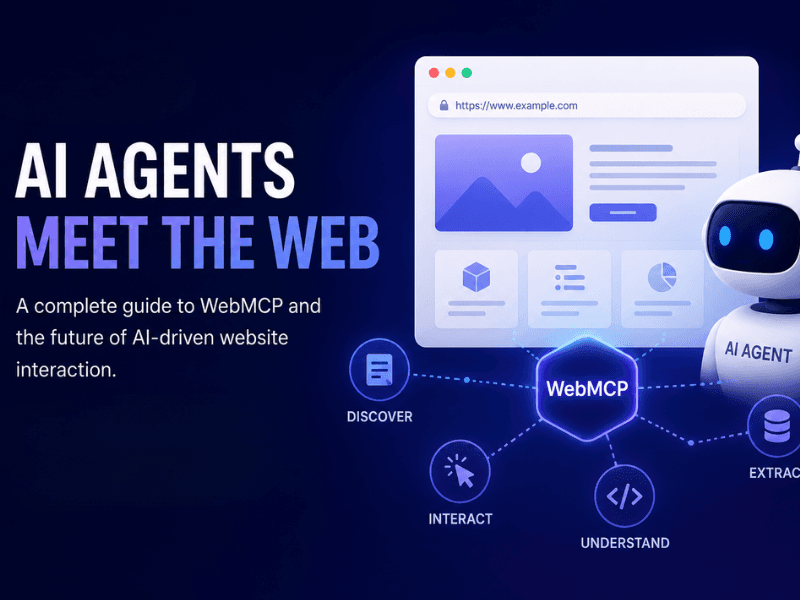
Performance tracking reveals how AI crawlers interact with your content and whether restrictions achieve intended goals. Analyze citation patterns, referral traffic from AI systems, and content usage in AI-generated responses to optimize your configuration over time.
Track which AI systems respect LLMs.txt directives and identify non-compliant crawlers. This information helps refine access controls and may inform legal actions against unauthorized content use.
Regular analysis reveals content that could benefit from adjusted AI access permissions. Increase visibility for high-performing content while tightening controls on sensitive information based on actual usage patterns.
Sangria's AI-powered Growth OS automatically implements LLMs.txt best practices across programmatically generated content. The platform ensures that blogs, product pages, and collections include proper AI crawler directives while maintaining optimal discoverability. Sangria's intelligence layer analyzes content types and applies appropriate LLMs.txt configurations that balance protection with AI-driven discovery opportunities. This automated approach eliminates manual LLMs.txt management while ensuring consistent implementation across all generated pages.
LLMs.txt specifically controls AI crawler access with advanced features like licensing specifications and usage permissions. Robots.txt primarily manages traditional search engine bots with simple allow/disallow directives. Both files can coexist and serve different purposes in comprehensive crawler management.
Properly implemented LLMs.txt files can positively impact rankings by demonstrating responsible content management. Google recognizes sites that implement clear AI access controls, potentially improving trust signals. However, overly restrictive configurations might limit beneficial AI interactions that drive traffic.
Without LLMs.txt, AI crawlers may access all publicly available content without restrictions. This could lead to unauthorized content use while missing opportunities for controlled AI citations that drive referral traffic and build authority.
Yes, LLMs.txt supports user-agent specifications that target specific AI systems or models. You can create different rules for different AI platforms, allowing granular control over which systems can access your content.
Review LLMs.txt configurations quarterly or when launching new content types. Monitor AI crawler behavior and citation patterns to identify optimization opportunities. Update rules when new AI systems emerge or when business requirements change.
LLMs.txt represents a technical standard rather than a legal requirement. However, many AI companies voluntarily comply with these directives as part of responsible AI practices. Legal enforceability depends on specific terms of service and applicable copyright laws.
LLMs.txt has become essential infrastructure for managing AI crawler access in an increasingly automated discovery landscape. The file format provides granular control over how AI systems interact with content while maintaining opportunities for beneficial citations and referrals. Proper implementation balances content protection with AI discoverability, enabling websites to participate in AI-driven search features while maintaining control over their intellectual property. As AI systems continue reshaping content discovery, LLMs.txt represents a proactive approach to managing these relationships effectively.